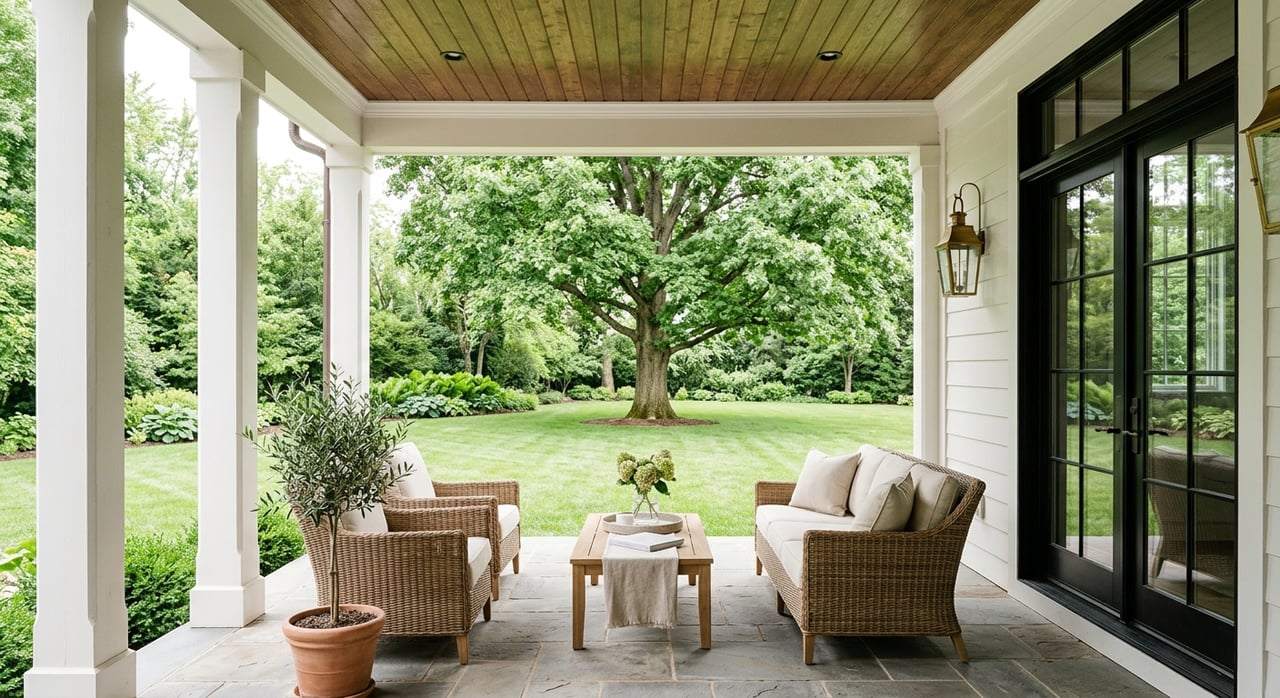
Vienna VA New Construction & Infill Home Buying Guide
April 23, 2026
April 23, 2026
Thinking about buying new construction in Vienna? You are not alone, but the decision is rarely as simple as choosing a floor plan and picking finishes. In Vienna, many “new” homes are actually infill builds or teardown-and-rebuild projects on existing lots, which means your purchase can involve zoning limits, tree rules, utility coordination, and timing issues that do not always show up in a standard resale deal. This guide will help you understand how Vienna’s infill market works, what risks and opportunities to watch for, and how to move forward with more confidence. Let’s dive in.
Vienna’s new-construction market is shaped by a simple reality: there is very little undeveloped land left. According to the Town of Vienna’s draft comprehensive plan, most new homes come from small-scale infill, lot subdivision, or teardown and rebuild activity rather than large new subdivisions.
That pattern has been active for years. The town’s FY2025 financial report notes that high housing prices have led to the rebuilding and expansion of about 70 to 100 homes per year for the past decade, which helps explain why buyers in Vienna are often comparing a brand-new infill home with an older house that may need renovation or a future rebuild.
In practical terms, an infill home is a newly built house placed on an existing lot within an established neighborhood. In Vienna, that often means the lot already has site constraints, mature trees, utility connections, and zoning limits that shape what can actually be built.
This is one reason two new homes in Vienna can feel very different, even when they are priced in a similar range. The design is not just about style. It is also about what the lot can support.
Vienna’s detached residential zones create the basic framework for infill building. The town’s zoning materials show minimum lot sizes of 10,000 square feet in RS-10, 12,500 square feet in RS-12.5, and 16,000 square feet in RS-16, with detached lot coverage capped at 25% under the zoning code.
That matters because a larger-looking new house may still sit on a relatively constrained homesite. On many Vienna parcels, the house footprint, driveway, stormwater needs, utility work, and usable yard all have to fit together.
A town tree report notes that many Vienna lots are in the 10,000 to 12,000 square foot range. When you combine that with lot coverage limits and the need to preserve space for access, drainage, and landscaping, builders often have to make highly specific design choices based on the parcel itself.
For you as a buyer, that means it is worth looking beyond finishes and square footage. The lot layout, grading, tree placement, and driveway position can affect both how the home lives and how the property functions long term.
Tree preservation is now a formal part of the Vienna infill conversation. The town adopted the Virginia Tree Conservation Code on July 29, 2024, and tree preservation and canopy requirements apply on all parcels, varying by zone.
Builders can also earn recognition through the Vienna Eco-Efficient Homes Initiative by achieving 30% canopy coverage within 10 years after development. For buyers, this means trees are not just a cosmetic feature. Existing canopy, future plantings, and site planning can all affect the final layout and closeout process.
On teardown lots, utility coordination is often part of the story. The town’s tree report notes that new gas lines, underground electric service, water-service upgrades, and sewer tie-ins are common constraints.
Even if the house looks nearly finished, these items can still affect timing. That is one reason new construction closings in Vienna may shift later than expected.
Vienna projects require coordination between the town and Fairfax County. Fairfax County explains that a new structure or exterior change requires a site-related plan or survey/plat in addition to building permits, while the Town of Vienna residential project process requires submissions to the town for site-related matters and relies on the county for building permit review, approval, and inspections.
If a property needs a variance, rezoning, conditional use permit, or modification of requirements, the process can become more involved. Vienna may post public notice signs and hold hearings for these requests, which can add time and uncertainty before a project is fully cleared to proceed.
Some lots also require technical review beyond the home itself. Fairfax County states that an infill lot grading plan must be certified by a Virginia-licensed engineer, surveyor, architect, or landscape architect, and VDOT permits may be needed for work in the right-of-way.
This is one of the biggest differences between buying a new infill home and buying a standard resale property. With new construction, the lot improvements can be just as important as the structure.
Many Vienna buyers are really choosing between two paths: a new infill home or an older home that may be updated, renovated, or left mostly as-is. Each option has tradeoffs.
A new build usually offers a more current layout, newer systems, and a cleaner construction record. An older home may offer less build-related uncertainty up front, but it can come with more hidden-condition risk depending on age, prior work, and documentation.
| Option | Potential advantages | Potential watchouts |
|---|---|---|
| New infill home | New systems, modern layout, documented inspections and closeout path | Permit timing, utility coordination, site constraints, occupancy timing |
| Older or renovated home | Existing condition is visible today, no active build timeline | Hidden defects, older systems, varying renovation quality |
Virginia’s Residential Property Disclosure Statement places due diligence on the buyer and advises purchasers to obtain a home inspection before settlement. That framework is important whether you are buying new or resale.
Builder reputation should start with documented facts, not marketing alone. The Virginia Department of Professional and Occupational Regulation advises consumers to work only with licensed contractors, verify status and disciplinary history through License Lookup and contractor guidance, ask for referrals, use a detailed written contract, and keep warranties and promises in writing.
Online reviews can be useful, but DPOR also notes they may be biased or untruthful. A more reliable approach is to confirm licensing, review the contract carefully, and look for clear written terms on timing, scope, and warranty coverage.
Virginia REALTORS uses separate standard forms for new construction contracts and residential resale contracts. That alone is a good reminder that a builder contract should not be treated like a routine resale agreement.
You should expect the terms to be different, especially around timelines, allowances, selections, completion standards, and deposit handling. Virginia REALTORS also notes that the earnest-money-deposit language on its residential contract page was updated so the broker must deposit the EMD within five business banking days of receipt, which makes it even more important to understand where your money goes and when.
Yes, you should still get an inspection on a new build. Virginia regulations state that a home inspection on a new residential structure may only be conducted by an inspector with the NRS specialty who has completed the Virginia Residential Code training module.
That is different from a standard resale inspection. It also means you should confirm early that the inspector you plan to hire is properly qualified for a new residential structure.
A house can look done before it is legally ready for occupancy. Fairfax County requires inspections at each stage, and no occupancy is allowed before final inspection. In Vienna, a Certificate of Occupancy is issued only after the structure passes Fairfax County building inspections and Town of Vienna site and zoning inspections.
The town’s residential checklist also includes closeout items such as a final house location survey, building-height certification when applicable, and stormwater certification when applicable. If you are planning a move around a school calendar, lease end, or job relocation, that final stretch matters.
Buying a new construction or infill home in Vienna can be a great move, but it works best when you go in with a clear process.
Here are a few smart steps to take early:
A calm, informed approach can help you avoid surprises and negotiate more confidently.
Vienna’s infill market looks polished from the street, but the real complexity is often behind the scenes. Lot coverage, trees, grading, utility work, inspections, and occupancy timing can all shape the experience in ways that do not come up in a typical resale purchase.
That is why having an advisor who understands the local process can make such a difference. If you are weighing a new build against an older home, or trying to sort through multiple builder opportunities, River City Elite Properties can help you evaluate the details, reduce risk, and move forward with a strategy that fits your goals.
Stay up to date on the latest real estate trends.

Choosing Thomas means opting for a seamless ‘white glove’ service that delivers on your real estate goals, ensuring a journey that's as rewarding as the destination, with every step tailored to exceed your expectations.