Leave a Message

Thank you for your message. I will be in touch with you shortly.

How To Navigate Competitive Offers On Alexandria Townhomes

February 19, 2026

That Alexandria townhome you love just drew multiple offers by Sunday. You are not alone. Well-presented, close-in townhomes around Old Town, Del Ray, and the West End often attract strong interest, even as the broader market has cooled in some areas. In this guide, you will learn how to build a competitive offer without taking on unnecessary risk. We will cover pricing strategy, escalation addenda, appraisal gaps, inspections, and clear rules for when to walk away. Let’s dive in.

What competition looks like in Alexandria

Competition today is uneven. Nationally, the share of homes selling above list has moderated, but close-in, updated, transit-accessible townhomes still see bidding pressure. Redfin’s market summary points to a cooling from prior peaks, yet it also highlights pockets of strength.

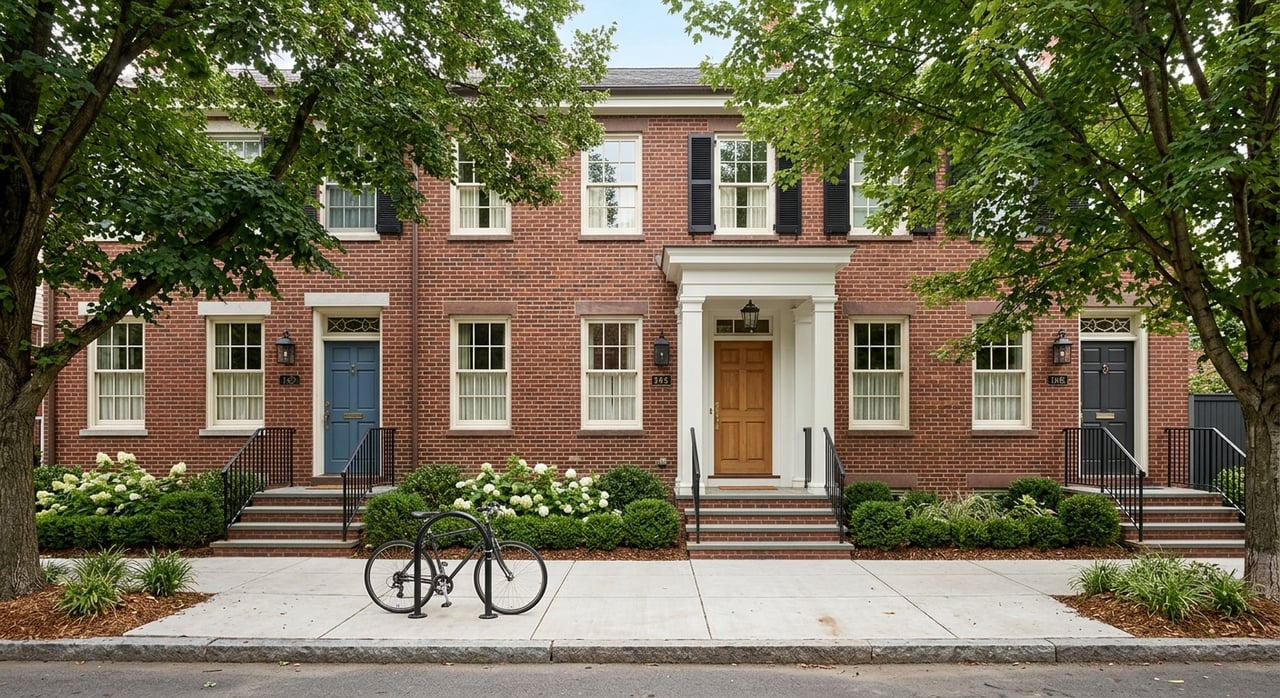
Locally, established Alexandria neighborhoods near Metro stops often receive multiple offers when a listing is priced and presented well. Recent Northern Virginia market commentary projects steady demand and selective price resilience for well-located townhomes, even with lower transaction volume. That recipe often leads to tight inventory and quick deadlines. You want to prepare as if the right home will move fast.

When in doubt, evaluate each listing as its own micro-market. Look at sale-to-list ratio, days on market, and months of supply for that zip and price band, then match your offer strength to the actual competition you are facing.

Price vs. terms: how sellers decide

Sellers do not chase price alone. They weigh certainty, timing, and net proceeds.

  • Price after credits, closing costs, and concessions.
  • Risk in your contingencies, especially financing, appraisal, and inspection.
  • Speed and simplicity of your timeline, including settlement date and occupancy.
  • Clarity of documentation and lender strength. Many listing agents verify preapprovals and funds. NVAR’s legal blog underscores how sellers aim to reduce closing risk.

A slightly lower price with cleaner terms can beat a higher, risky offer. Ask your agent to model the seller’s likely net so you can tune your offer where it counts.

Use escalation addenda wisely

In Northern Virginia, buyers often use an Escalation Addendum to automatically beat competing offers up to a capped amount. The local standard is the NVAR Escalation Addendum (K1306). NVAR’s forms updates outline local practice and annual revisions.

A solid escalation clause typically includes:

  • Base price and an escalation increment.
  • A hard cap you will not exceed.
  • A verification requirement for a bona fide competing offer.
  • Exclusion language for seller-related parties.

Be aware of trade-offs. Escalation can reveal your ceiling, and some sellers decline escalations and ask for best-and-final terms. Use it when comps suggest a tight premium will win, and always cap it. For more on structure and pitfalls, see this practical overview of escalation do’s and don’ts from a REALTOR association context (escalation clause guidance).

Manage appraisal risk

Appraisals can lag aggressive pricing, especially in fast-moving micro-markets or where recent comparable sales are thin. Renovated Alexandria townhomes with unique features can outpace closed comps, creating a potential gap between contract price and appraised value.

Know your options if value is low

If the appraisal comes in short, you generally can:

  • Renegotiate the price with the seller.
  • Bring additional cash to cover a pre-agreed gap amount.
  • Ask your lender about a reconsideration of value if there are errors or missed comps.
  • Exit the contract if you kept an appraisal contingency. Learn the timing and notice rules up front. Here is a clear consumer explainer on appraisal gaps and process (appraisal process overview).

Leverage modern valuation programs

Some loans now qualify for appraisal alternatives. Fannie Mae’s Value Acceptance programs can remove the need for a traditional appraisal when a file meets specific automated criteria. These options are not universal and depend on the loan casefile and lender overlays. Check with your lender early to understand if your purchase may qualify (Fannie Mae valuation FAQs).

Inspection strategies that compete

A full inspection waiver is risky. Instead, you can:

  • Shorten the inspection period to a few business days.
  • Do a pre-offer inspection when feasible.
  • Limit requests to material items only, rather than cosmetic issues.

These choices reduce seller uncertainty while protecting you from major surprises. Local practice notes and legal tips from NVAR’s legal blog are helpful context.

Earnest money and financing strength

Earnest money is a meaningful signal. In the DC metro, it commonly ranges from 1 to 3 percent of the purchase price, with some hot micro-markets seeing higher deposits. Larger or partially non-refundable deposits can strengthen an offer but also increase your risk. Understand deposit timelines and who holds the funds (earnest money basics).

Your lender choice matters. A robust preapproval from a reputable lender who will speak with the listing agent is stronger than a quick prequalification. The CFPB explains key differences and what to expect in the mortgage process (CFPB mortgage prep guide). If possible, aim for a pre-underwritten letter to boost certainty.

Non-price terms that win

Small concessions can separate your offer:

  • Flexible closing date to match the seller’s move.
  • Short rent-back if the seller needs time to transition.
  • Minimal seller credits and a willingness to use the seller’s preferred settlement company when appropriate.

Listing agents often prefer the lowest risk path to a smooth closing, which is why these details matter. Local legal guidance from NVAR notes how sellers weigh risk reduction.

Step-by-step plan for buyers

Use this Alexandria-focused checklist when a target townhome hits the market:

  1. Get a strong preapproval and gather proof of funds for your deposit and down payment. Confirm what your lender will verify and whether any underwriting steps are already completed (mortgage prep guide).
  2. Coordinate with trusted local lenders and settlement providers so you can move fast if needed (NVAR legal context).
  3. Build a neighborhood-specific CMA with your agent and set a firm walk-away number that fits your monthly budget and reserves.
  4. Read the listing carefully. Note any offer deadline, seller requests, HOA rules, and whether escalation addenda are allowed. If “highest and best” is requested, plan accordingly (NVAR legal context).
  5. Pick a price strategy. For an A+ listing, consider either a clean, competitive price with short contingency windows or a base offer plus an escalation clause with a strict cap and verification requirement (escalation clause guidance).
  6. Decide on appraisal protections. Many buyers keep an appraisal contingency but add limited gap coverage, such as agreeing to bring a set dollar amount if the value comes in short (appraisal process overview).
  7. Submit a complete package. Include your preapproval letter, lender contact (if permitted), proof of funds, and all required NVAR addenda. Keep your cover note focused on the strength of your terms and avoid personal details that could raise fair housing concerns (NVAR forms update).
  8. Move fast after ratification. Schedule inspections and the appraisal immediately and meet every notice deadline to protect your earnest money (NVAR legal context).

Know when to walk away

Set guardrails before you bid, then stick to them. Consider walking away if any of the following are true:

  • The winning price exceeds your walk-away limit and would strain your payment or reserves once taxes, insurance, HOA fees, and likely repairs are included.
  • You would have to waive critical protections, like inspection or financing, without the cash to handle worst-case scenarios (earnest money basics).
  • The property has material condition questions the seller will not address and the price does not reflect an as-is sale.
  • Appraisal risk is high and you cannot reasonably cover the gap or secure an appraisal alternative through your lender (Fannie Mae valuation FAQs).
  • Any request or practice in the offer process could raise fair housing concerns; keep communications and cover notes focused on terms, not personal characteristics (NVAR legal context).

Next steps

If you want a competitive edge without overreaching, put structure around your process. Get your financing locked, know your data for the exact neighborhood, and decide how you will handle escalation, appraisal gaps, and inspections before you write. That turns a stressful scramble into a calm, confident plan.

If you are ready to target Alexandria townhomes with a clear strategy and white-glove execution, let’s talk. Connect with River City Elite Properties to build a plan that fits your goals and risk comfort.

FAQs

What is an escalation addendum in Northern Virginia?

  • It is a contract addendum that raises your offer above a bona fide competing offer by a set increment up to a capped price, often using the local NVAR K1306 form with a verification requirement.

How much earnest money is typical for Alexandria townhomes?

  • Many buyers offer between 1 and 3 percent of the price, with higher deposits in hot micro-markets; choose an amount that signals strength without putting your savings at unwise risk.

Should I waive my appraisal contingency to win?

  • Consider a limited appraisal gap approach instead, agreeing to cover up to a set amount if the value comes in low, so you balance competitiveness with protection.

What inspection approach helps me compete without overexposure?

  • Shorten the inspection window, do a pre-offer inspection if feasible, or limit repair requests to material items so you protect yourself while reducing seller uncertainty.

How fast should I act when a strong townhome lists in Alexandria?

  • Move the day it hits the market: tour quickly, confirm the deadline, align price and terms, and submit a complete offer package with a strong preapproval and proof of funds.

What if a seller will not accept escalation clauses?

  • Plan for a single best-and-final round, submit your strongest clean terms up front, and stick to your walk-away number if the bidding exceeds your comfort level.

Work With Thomas

Choosing Thomas means opting for a seamless ‘white glove’ service that delivers on your real estate goals, ensuring a journey that's as rewarding as the destination, with every step tailored to exceed your expectations.