Living in Alexandria VA’s Historic Districts: Old Town to Del Ray
February 5, 2026
February 5, 2026
What draws so many people to Alexandria’s historic districts? It is the blend of brick-lined streets, small-business energy, and a lifestyle that puts daily errands, parks, and culture within easy reach. If you are picturing your next move, you likely want a real sense of what life feels like beyond the postcards. In this guide, you will learn how Old Town, Rosemont, and Del Ray differ, what to expect from transit and parking, and how preservation rules affect renovations and costs. Let’s dive in.
Alexandria sits along the Potomac River just across from Washington, D.C., with a historic core dating to the 18th century. You get a mix of cobblestone charm and modern convenience, especially in walkable pockets near the waterfront and the King Street corridor. Tourism clusters around Old Town’s riverfront, while residential blocks feel more neighborhood-focused. You can live here without giving up access to big-city jobs and amenities.
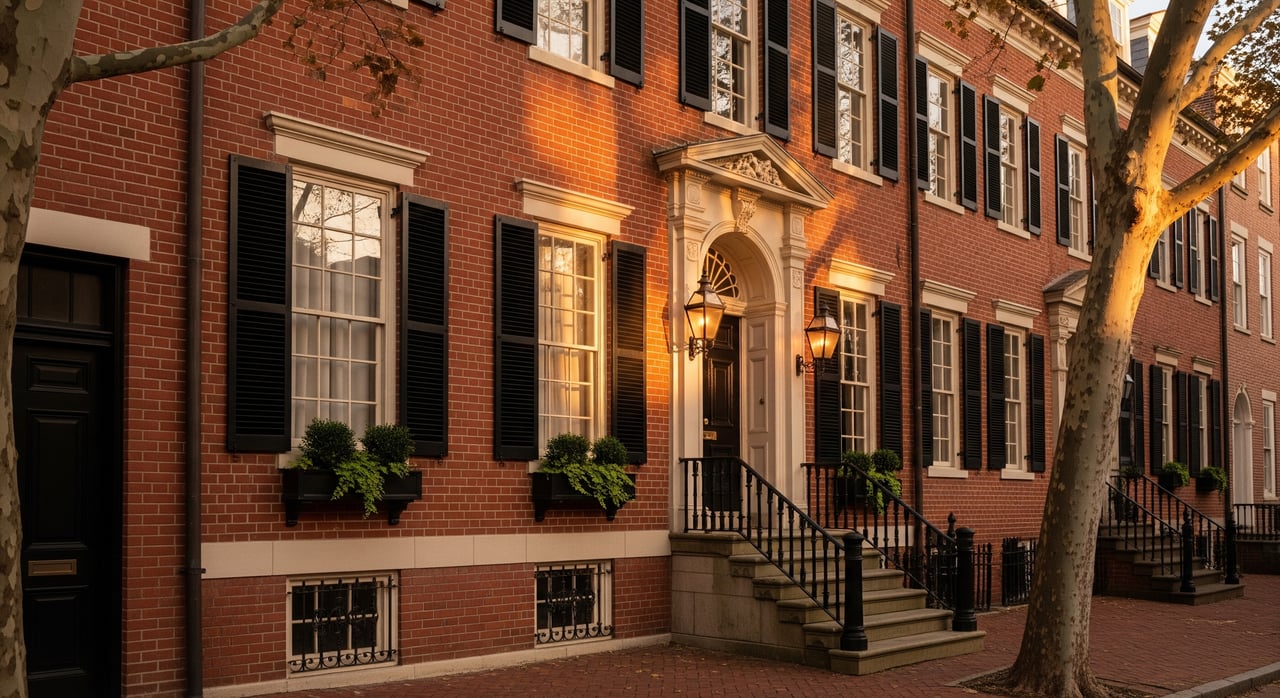
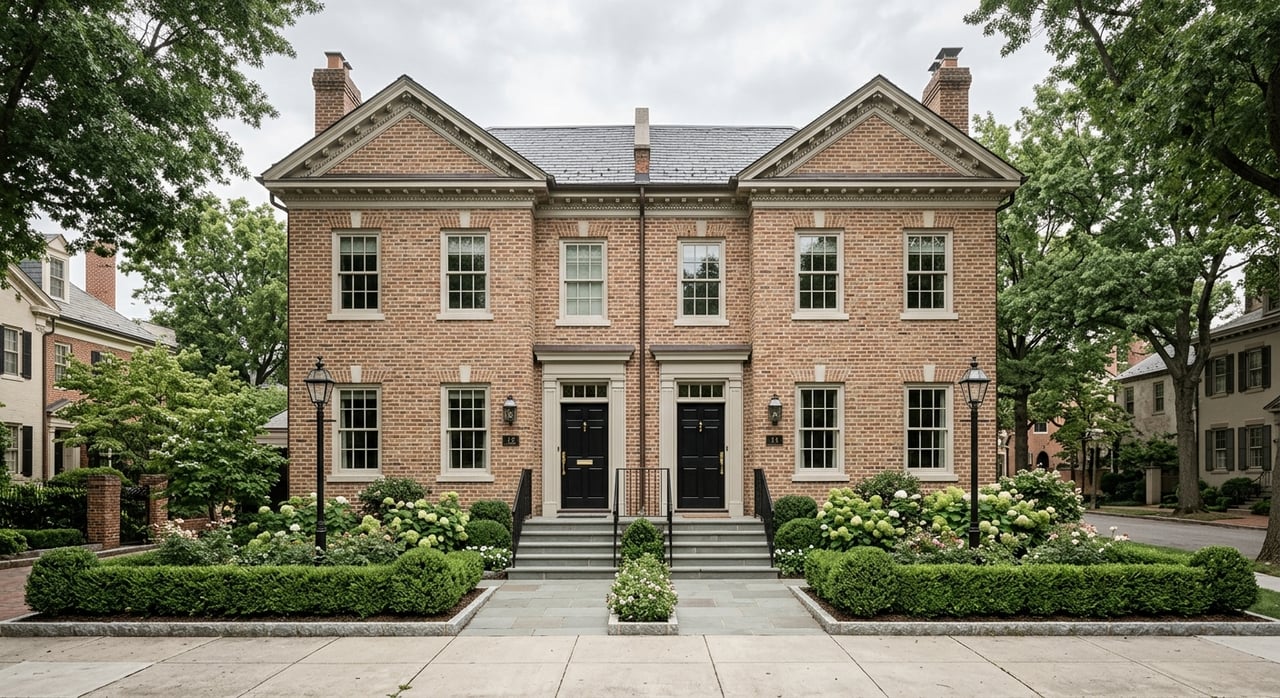
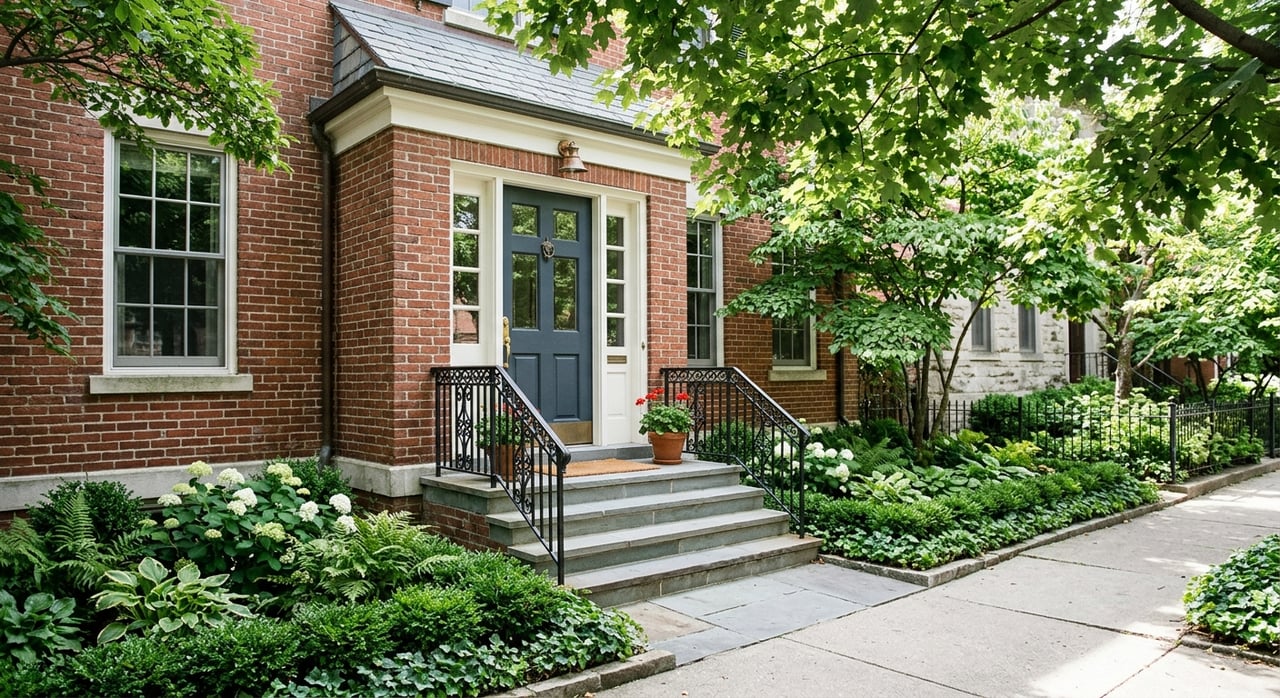
Old Town features preserved 18th and 19th century streets lined with brick rowhouses and townhomes. You will also see lofts in converted warehouses, smaller condo buildings, and a few historic single-family homes. The architectural fabric includes Colonial and Federal styles, plus later details like Greek Revival and Victorian elements. Many homes predate 1930, which adds character and, at times, renovation complexity.
Life centers on King Street and the Potomac waterfront. You can walk to cafés, bakeries, restaurants, and small museums, then end your day along the river or at the Torpedo Factory Art Center. Weekends can be lively with visitors, while side streets feel more relaxed. The Old Town Farmers’ Market is a weekend staple and supports a strong local-food culture.
Street parking is regulated and metered in many spots. Some properties offer alleys or small garages, but many residents rely on permits or private garages. On narrow historic streets, planning for guest parking and deliveries helps keep daily life smooth. If you prefer to leave the car behind, most errands can be done by foot or bike.
Just northwest of Old Town, Rosemont grew during the streetcar era in the early 20th century. You will find detached bungalows, Craftsman-style homes, and some Tudors on modest lots, often with porches and small yards. Many garages are detached. The architecture reflects a simpler, early suburban style that balances charm with function.
Rosemont is residential and calm yet close to everything. You can walk or bike to Old Town amenities and nearby transit hubs around King Street and Braddock Road. Local parks and neighborhood associations foster block-level connections. Evenings are quieter, and daily routines feel straightforward.
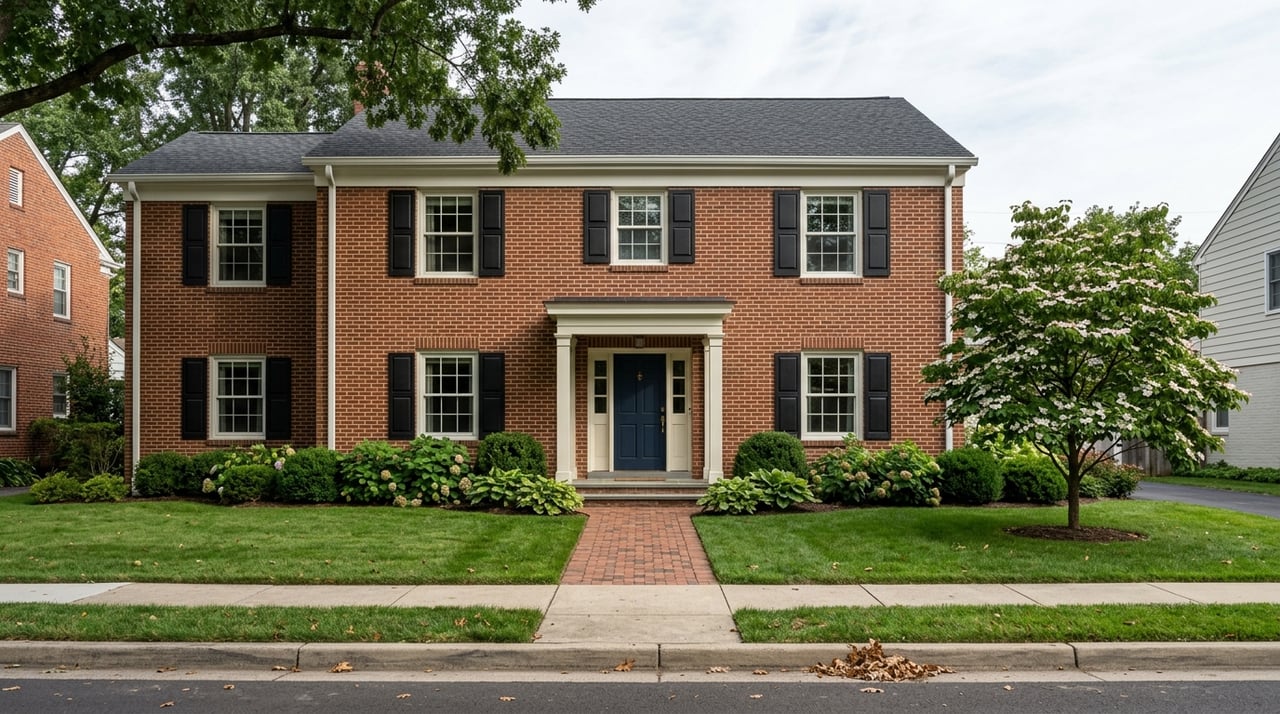
Del Ray’s core dates to the 1920s and 1930s, with bungalows and brick foursquares along tree-lined streets. Porches and front-yard chats set the tone. Newer infill appears in select spots, but the overall feel remains low-scale and neighborly. Homes are modest in size, with a signature character that many buyers seek.
Mount Vernon Avenue, known as “The Avenue,” is lined with independent shops, coffee spots, and casual restaurants. Community programming is a big part of the calendar, including seasonal events and arts festivals such as Art on the Avenue. The neighborhood’s identity is strong and centered on supporting local businesses. You are slightly farther from the waterfront than Old Town, but still close to Alexandria’s core amenities.
King Street–Old Town is the main Metro station on the Blue and Yellow lines and offers direct connections into Washington, D.C. You can get to Reagan National Airport with a short ride. Alexandria’s Amtrak and Virginia Railway Express stations sit on the regional rail corridor, which adds commuter and intercity options. Typical travel times are relatively short compared with many area suburbs, though exact times vary by destination and schedule.
Walking is a daily habit in Old Town and Del Ray, and Rosemont is an easy stroll or bike ride to shops and transit. The Mount Vernon Trail links you to regional bike routes along the Potomac. On-street bike lanes vary by corridor, so you will balance trails with city streets as you plan rides.
I-395 and the George Washington Memorial Parkway connect Alexandria to D.C. and major highways. Expect typical Northern Virginia congestion during peak hours. Many historic streets are narrow, and on-street parking is regulated by meters and permits. If you need dedicated parking, confirm options during your home search.
Seasonal water taxi services operate from the Old Town waterfront with routes that have linked to places like The Wharf, Georgetown, and National Harbor. Offerings and schedules change by operator and time of year. It is a scenic alternative for special outings when in season.
Much of Old Town, and parts of nearby neighborhoods, fall within local historic districts. Exterior changes that are visible from the street often require approval from the City’s Board of Architectural Review. This can cover materials, window and door styles, rooflines, and demolition or new construction. The goal is to protect historic character while allowing thoughtful updates.
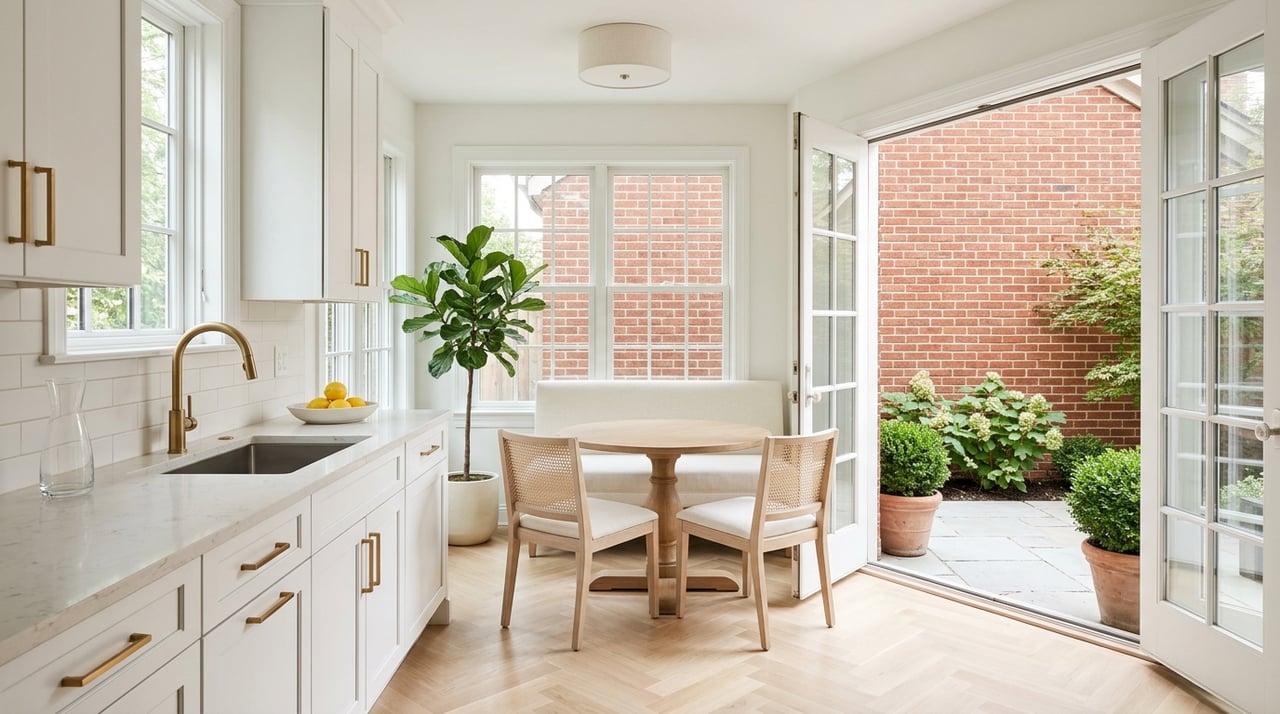
Older properties often need modern systems. You should budget for electrical panel updates, HVAC improvements, plumbing work, and better insulation. Lead paint and asbestos can be present in pre-1978 materials, so plan inspections and remediation as needed. Matching historic-appropriate materials may extend timelines and raise costs, especially for exterior projects.
Federal rehabilitation tax credits generally apply to income-producing historic buildings, not most primary residences. State and local programs vary by year and property type. Before starting a project, consult the City’s historic resources staff and local preservation organizations for current guidance.
Highly walkable, historic neighborhoods tend to command price premiums compared with more suburban stock. You will see a wide range, from smaller condos to multi-million-dollar restored townhomes. For current pricing, review recent closed sales in each specific neighborhood rather than relying on citywide averages. Inventory and demand can vary block to block.
Plan for higher long-term maintenance in older construction. Masonry repointing, roofing, foundations, and window care add up over time. If a property is near the waterfront or within a mapped floodplain, flood insurance may be required and can be a significant line item. Checking FEMA flood maps and city floodplain resources is a smart step before you write an offer.
Low-lying areas close to the Potomac in Old Town are more exposed to tidal and storm-related flooding. The City is advancing waterfront planning and mitigation projects. When you evaluate a home, ask for any available elevation certificates and past flood history, and study site drainage. Mature trees are common across these neighborhoods, which adds shade and also some storm-related considerations.
Choose Old Town if you want an urban, waterfront-adjacent lifestyle with museums, dining, and nightlife steps away. Pick Rosemont if you prefer a quieter residential setting that still connects to Old Town and transit by foot or bike. Consider Del Ray if you value an independent-business corridor and an active neighborhood calendar built around local events. In all three, you get a strong sense of place and a practical commute profile within the Washington region.
If you want a clear plan for your search, including off-market opportunities and a renovation game plan, reach out. At River City Elite Properties, you get white-glove guidance, local insight, and a strategy built around your goals.
Stay up to date on the latest real estate trends.



Choosing Thomas means opting for a seamless ‘white glove’ service that delivers on your real estate goals, ensuring a journey that's as rewarding as the destination, with every step tailored to exceed your expectations.