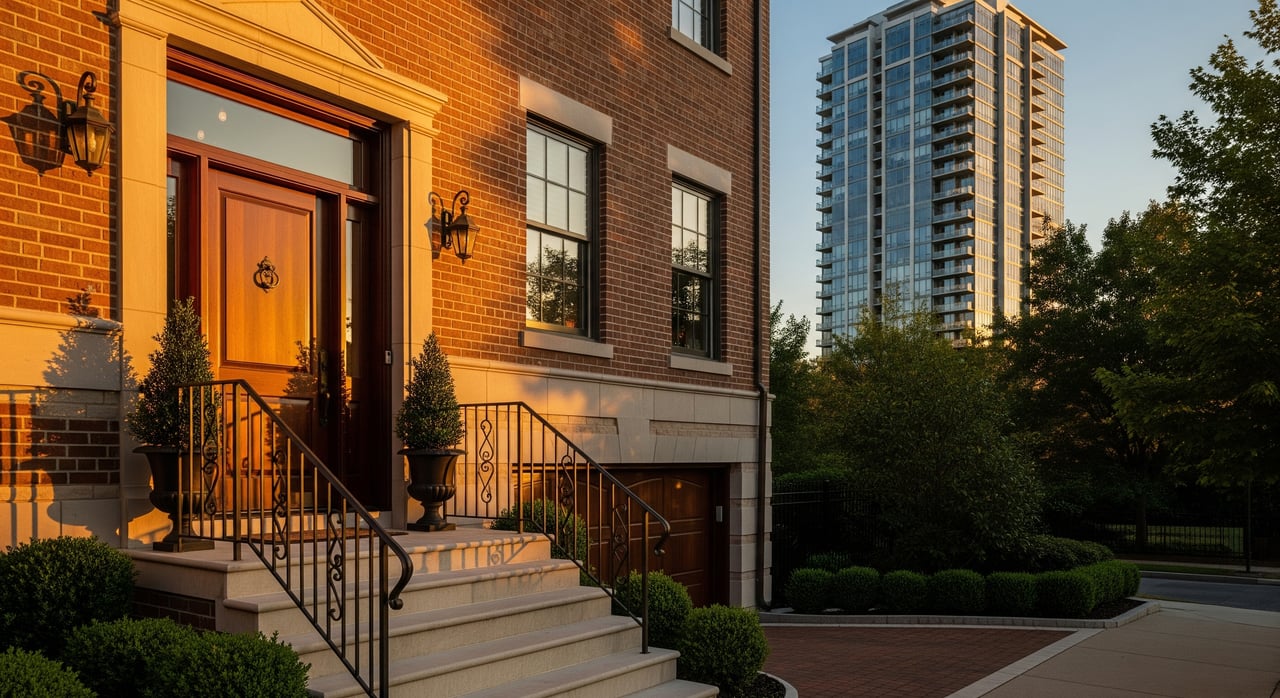
Arlington Condo vs Townhome Guide to Fees, Space & Resale
December 18, 2025
December 18, 2025
Deciding between a condo and a townhome in Arlington can feel like a trade-off between convenience and space. You might be weighing monthly fees, commute time, parking, and how each option will resell in a few years. It is a lot to juggle, especially with Arlington’s mix of high-rise corridors and quieter townhouse streets. This guide breaks down the real differences so you can choose what fits your lifestyle and your budget with confidence. Let’s dive in.
Arlington sits just across the river from DC, blending urban convenience with residential neighborhoods. Transit corridors such as Rosslyn, Courthouse, Clarendon, Ballston, and National Landing draw condo buyers who want short commutes and walkable amenities. The area’s job base, including the Pentagon and Amazon HQ2, keeps demand steady for homes that offer an easy commute and low-maintenance living.
You will find excellent transit and bike access throughout the county. For an overview of Metro lines, bus routes, and bikeshare options, explore the county’s Arlington Commuter Services resources. Most buyers compare lifestyle trade-offs more than just price, which is why fees, maintenance, space, and parking matter as much as the purchase number.
Condo fees cover shared services and upkeep. In Arlington, fees vary widely based on age, size, and amenities. High-amenity buildings often carry higher fees because pools, concierge services, elevators, and large common areas cost more to maintain. Lower-amenity or smaller buildings usually have more modest fees.
Townhome HOA fees, when present, are often lower because you handle more of your own maintenance. Some townhome communities cover exterior work, landscaping, and snow removal, which can increase fees. Both condos and townhomes can issue special assessments if reserves are not adequate, especially when big-ticket items like roofs or elevators need work.
What to compare:
For countywide and regional context on market trends, check recent NVAR market reports.
Condos reduce day-to-day maintenance. You are typically responsible for the interior of your unit, while the association maintains exteriors, common systems, and amenities. This works well if you want a lock-and-leave lifestyle or travel frequently.
Townhomes can require more hands-on care. Unless an HOA covers exteriors, you may be responsible for the roof, siding, gutters, driveway, and yard. Some communities do include exterior maintenance, which is helpful if you prefer lower upkeep but want more space than a condo typically offers.
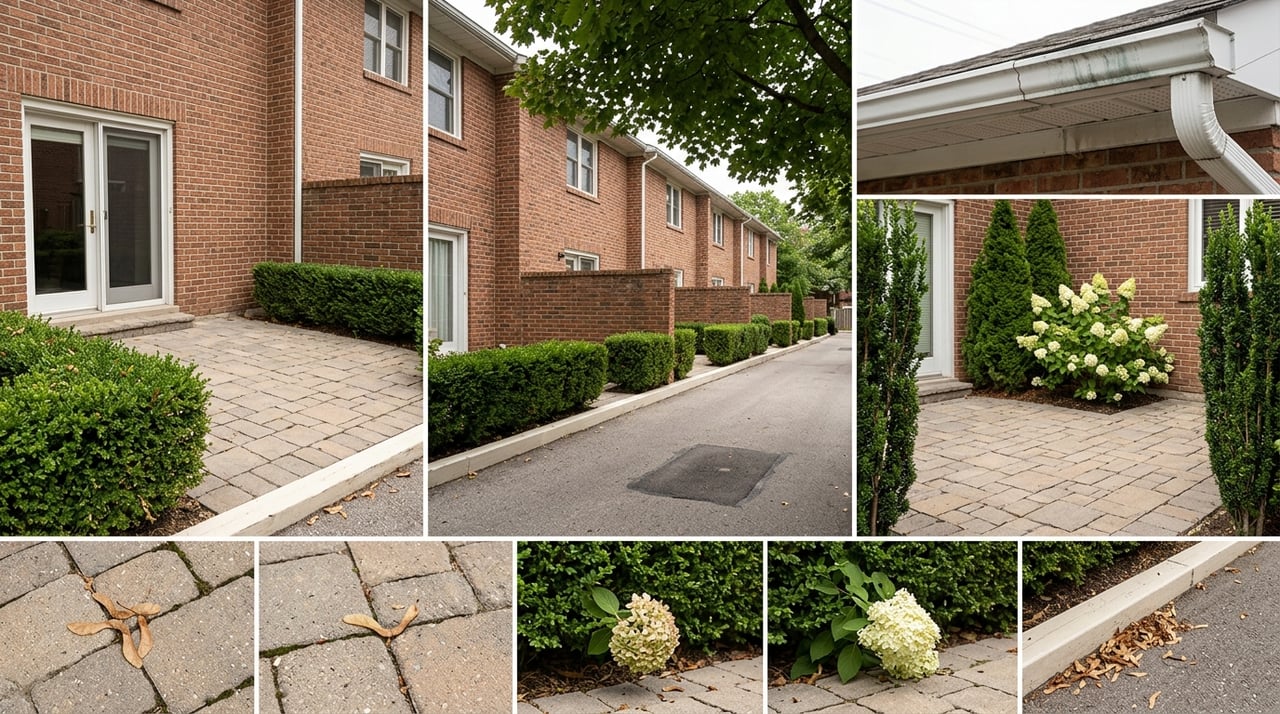
Condos usually offer a smaller footprint with efficient floor plans and balconies or terraces for outdoor space. Storage often comes from closets, a small storage locker, or bike rooms in the building.
Townhomes typically provide multi-level living, more bedrooms, attached garages, basements or attics, and private outdoor space like a patio, small yard, or roof deck. This appeals to buyers who want room to grow, space for hobbies, or a secure place for outdoor gear and pets.
Many Arlington condos include assigned garage parking and guest options, with policies varying by building. Some offer EV charging and additional storage in the garage. Older or smaller condo communities may rely on surface lots with assigned spaces and limited guest parking.
Townhomes often come with private garages and driveway parking, plus street parking nearby. Street parking can require residential permits in certain areas. Review parking rules with the association and check County guidance via Arlington County’s official site so you know what to expect for you and your guests.
High-rise and mid-rise condos commonly include concierge or doorman services, fitness centers, pools, rooftop decks, community rooms, package rooms, and on-site management. These shared spaces support a social, low-maintenance lifestyle and can be a strong draw if you value convenience.
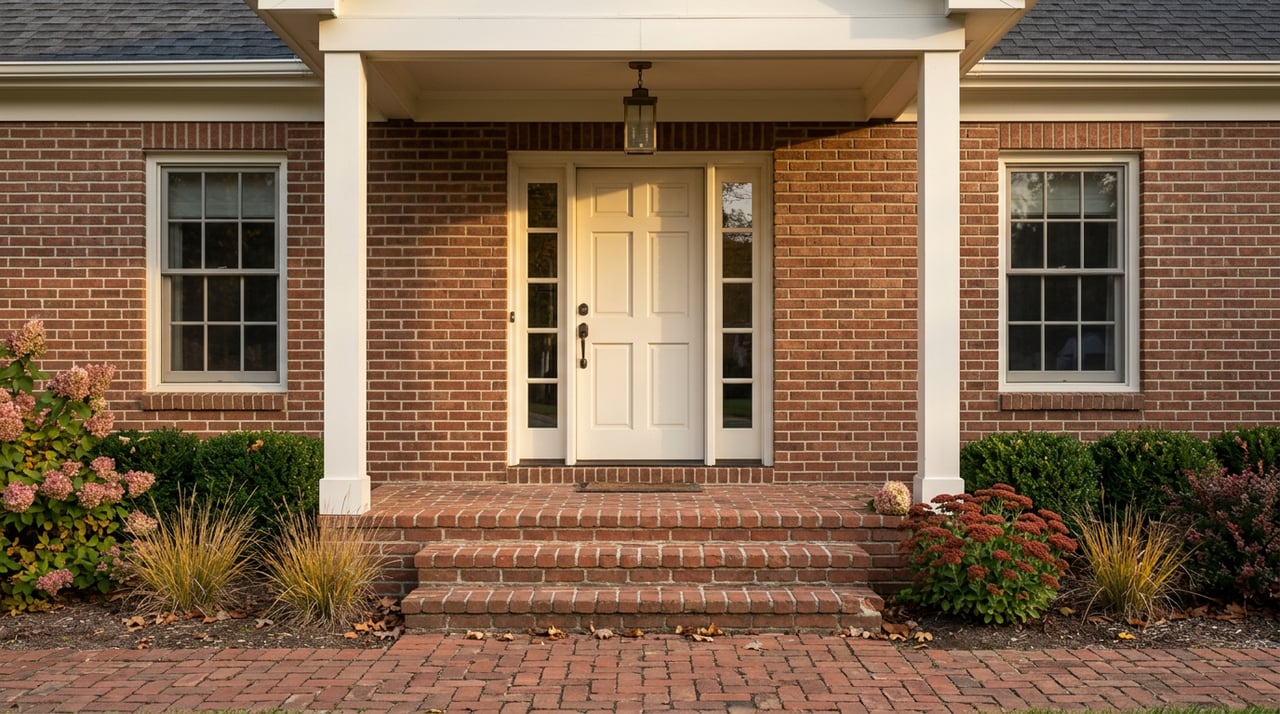
Townhome communities usually offer fewer shared amenities, though some have courtyards or playgrounds. The trade-off is more private space, direct outdoor access, and a residential feel with front doors on a neighborhood street.
Lenders often apply stricter underwriting standards to condos than to fee-simple townhomes. Condo loans can require building-level documentation such as owner-occupancy ratios, delinquency rates, budget strength, and reserve funding. If you plan to use FHA or VA financing, confirm that the condo is eligible before you fall in love with a unit. You can review FHA condo project information on HUD’s site.
Townhomes are usually treated like single-family attached homes by lenders, which means fewer project-level hurdles. Either way, talk to your lender early so your financing strategy matches the properties you are touring.
For condos, resale performance often depends on proximity to Metro, building amenities, parking, fees, and the financial health of the association. Investor ratios and rental policies can affect values and time on market. Buildings with governance or reserve issues can face price pressure.
For townhomes, garages, private outdoor space, practical layouts, and neighborhood livability tend to support demand. Buyers who plan for the long term often favor townhomes for space and flexibility. While historical patterns can show townhomes and single-family homes holding value more steadily, Arlington’s transit access and land values mean that both condos and townhomes can appreciate. The key is to compare true peers by neighborhood and community.
Before you write an offer, review the association’s budget, reserve study, insurance coverage, and recent meeting minutes. Pay close attention to special assessment history, owner delinquency rates, and any pending litigation. Rules and regulations matter too, including pet policies, rental caps, and use restrictions.
Virginia associations operate under state statutes, including the Virginia Condominium Act and the Property Owners’ Association Act. If you need the legal framework, consult the Code of Virginia Title 55.1. For complex findings, consider speaking with an attorney.
Common red flags:
Transit corridors like Rosslyn, Courthouse, Clarendon, Ballston, and National Landing offer a large share of Arlington’s condos, walkable retail, and short commutes. Interior neighborhoods such as parts of Lyon Village, Aurora Highlands, the Columbia Pike corridor, and Arlington Ridge tend to have more townhomes and rowhouses with small yards and garages.
If you want a lively, amenity-rich environment and low maintenance, the condo lifestyle near Metro may be ideal. If you prefer space, privacy, and a more residential feel, a townhome in the interior neighborhoods might fit better. For transit and bike details that shape daily life, browse Arlington Commuter Services.
Choose a condo if you want:
Choose a townhome if you want:
For every condo or townhome you consider, ask for:
Ready to compare options in real time with local comps and building-level intel? Reach out for tailored guidance, from financing strategy to HOA review and offer tactics.
If you want a clear side-by-side of the best condos and townhomes for your needs, let’s talk. You will get a focused shortlist, fee breakdowns, and negotiation strategy that reflects Arlington’s micro-markets. For expert help that feels personal and thorough, connect with River City Elite Properties.
Stay up to date on the latest real estate trends.
Choosing Thomas means opting for a seamless ‘white glove’ service that delivers on your real estate goals, ensuring a journey that's as rewarding as the destination, with every step tailored to exceed your expectations.